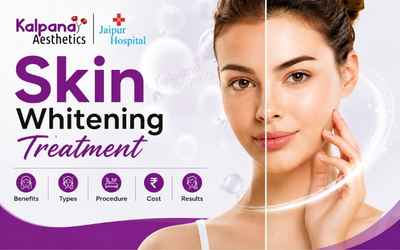
Pigmentation can occur due to many reasons like excessive sun exposure, hormonal changes, inflammation, acne or other skin conditions. The underlying cause may differ, evaluation of which is required to be done by a qualified dermatologist. However, one of the common solutions used for reducing the hyperpigmentation, dark spots and uneven skin tone is skin whitening treatment.
This treatment refers to cosmetic and dermatological treatments which help in improving the skin texture and appearance. The goal of modern dermatological treatment is to improve the skin tone rather than changing the person’s natural skin color.
What Is Skin Whitening Treatment?
Although skin whitening is a cosmetic term, in clinical dermatology, the treatments are commonly described as pigmentation or skin brightening treatment. It is known that the human skin gets its colour from melanin, a pigment produced by melanocytes. When melanin is produced in excess or is distributed unevenly, it results in tanning, dark patches, melasma, freckles and hyperpigmentation.
The treatment helps in reducing the excess pigmentation and preventing it from happening again. The chemical peels, topical products and procedures are recommended according to the condition of the patient.
Benefits of Skin Whitening Treatment
The right treatment given as per the condition of the patient provides several cosmetic benefits.
1. More even skin tone
The pigmentation treatments help in reducing the darker areas thereby leading to a uniform skin tone.
2. Reduction in dark spots
With the help of appropriate treatment, the sunspots or post-acne pigmentation are likely to become lighter.
3. Reduction in tanning
When your skin is exposed to sun regularly, it can lead to melanin production causing darkness. Sun protection along with the right skin treatment helps in reducing tanning.
4. Improvement in post-acne marks
Some people may get marks after the pimple is healed. These marks can be improved with the help of topical treatments and laser procedures.
5. Improved appearance of melasma
Melasma cause greyish or brown patches on the cheeks, forehead, nose or upper lip. They can be persistent and may require long-term treatment.
6. Greater confidence
People can feel uncomfortable when they have dark spots and uneven tone skin. This treatment helps in improving the skin tone.
You can read also:- How to Remove Acne Scars Naturally in a Week?
Types of Skin Whitening Treatments Available
There are different types of skin whitening treatments available among which you have to choose the right one for your skin problem.
1. Topical Skin-Brightening Treatments
The topical treatments are the starting point for pigmentation management and the recommended ingredients depend on the diagnosis. These ingredients can be retinoids, kojic acid, vitamin C, and hydroquinone. The topical products work through different mechanisms including reduction in the melanin production, increase in the skin-cell turnover and assisting in fading the existing pigmentation.
The ingredients are to be chosen carefully as not every ingredient suit everyone. The products requiring prescription should be used under medical supervision.
2. Chemical Peels
Chemical peel treatment includes application of a controlled chemical solution to the skin for removing the lose and damaged skin surface. There are different acids and concentration that are used depending on the skin and objective. There are superficial peels which might be used for tanning, uneven skin tone or mild pigmentation. This treatment may be performed in several sessions instead of one aggressive session.
3. Laser and Light-Based Treatments
This treatment includes laser and light-based devices which are used for targeting pigmentation and influencing pigment production. The examples include treatments done using Q-switched or pigment-targeting lasers based on the skin condition and type.
Laser treatment needs proper care in people who have a darker skin tone as inappropriate settings or treatment can lead to burns or hypopigmentation.
4. Microneedling-Based Treatments
This treatment is done using controlled microscopic punctures in the skin. In the pigmentation cases, this may be used either alone or by combining it with other topical treatments. The suitability of the treatment depends on the underlying pigmentation and skin type.
5. Combination Treatments
Pigmentation is multifactorial and may require the dermatologists to combine different approaches. For example, a topical treatment may be combined with a chemical peel treatment or selected laser procedures to provide best results. A combination therapy is individualized and is not based on one-size-fits-all method.
Skin Whitening Treatment Procedure: Step-by-Step
The procedure of the treatment depends on the selection made according to the problem and skin type. However, here are the commonly followed steps.
Step 1: Skin assessment
The dermatologist examines the skin and determines the issues that you are facing like tanning, freckles, pigmentation, or other condition.
Step 2: Medical and skin history
The doctor will ask about the medical history and the skin treatment history if you have any.
Step 3: Treatment selection
Based on the examination and medical history, the dermatologist will recommend a topical therapy, peel, laser treatment or a combination.
Step 4: Preparation
As per the procedure requirement, the skin is being prepared for several days or weeks.
Step 5: Treatment
In case of a chemical peel, the selected solution is applied for a controlled period and then removed or neutralized as required. For laser-treatment, the device is adjusted according to the skin type and level of pigmentation.
Step 6: Post-treatment care
The skin might experience mild redness, sensitivity, dryness or peeling depending on the procedure used. The skin must be protected from sun and proper skincare should be done after getting treated.
You can read also:- FUE Hair Transplant: Procedure, Cost, Benefits, and Everything You Need to Know
Skin Whitening Treatment Cost and Factors That Affect It
There is no fixed cost for the skin whitening treatment. The price of the treatment depends on different factors such as the type of treatment chosen, number of sessions needed, size of the treatment area, severity and depth of pigmentation, type of laser treatment, clinic location, type of equipment used and other factors.
A topical treatment might cost less as compared to a series of laser treatment sessions. Chemical peels and combination treatment fall into different price ranges based on the clinic chosen and the products being used.
Results, Aftercare, and Tips for Long-Lasting Skin Brightness
Results of the treatment may vary from person to person. While skin whitening treatment can help in improving the superficial pigmentation, other conditions like melasma may require months of treatment and maintenance.
Sun protection is essential
The most important part of maintaining results is to protect your skin from the harmful ultraviolet rays. You may use a broad-spectrum sunscreen as recommended by the dermatologist and minimize the unnecessary sun exposure.
Follow the prescribed skincare routine
You should continue with the prescribed treatment as advised by your dermatologist. You should not discontinue it as some conditions are likely to return when the maintenance is stopped.
Avoid aggressive home remedies
Do not use home remedies containing baking soda, lemon juice, or undiluted acids as they can irritate the skin and worsen the pigmentation.
Avoid unregulated whitening products
Do not use products which have undisclosed ingredients as they can cause significant skin issues. Any unsupervised use of potent steroid-containing creams can lead to skin thinning and acne eruptions.
Be patient
Pigmentation is a biological process and not a simple skin problem. It takes time to heal, attending it aggressively can worsen the situation.
Conclusion
Skin whitening treatment is commonly known as skin brightening and pigmentation management. It helps in addressing the unwanted tanning, dark spots, uneven pigmentation and other dermatological conditions. Ensure that you choose a qualified and experienced dermatologist to get the skin treatment.
At Kalpana Aesthetics, you get examined and treated by the best cosmetic and plastic surgeon in Jaipur, Dr. Vishal Purohit. He is known for providing high quality services and customized treatment to the patients. If you are facing skin issues, book an appointment now.
Frequently Asked Questions
1. What is skin whitening treatment?
Ans. Skin whitening treatment is a term used for cosmetic or dermatological procedures. This treatment helps in reducing pigmentation, dark spots, uneven skin tone and tanning. It improves the skin tone and not changes the natural skin color.
2. Is skin whitening treatment safe?
Ans. Skin whitening treatment is considered safe when it is performed by an experienced and qualified dermatologist. There may be certain side effects like burns, irritation, or changes in pigmentation and in some cases, scarring.
3. Who is a good candidate for skin whitening treatment?
Ans. A person having a treatable pigmentation concern such as tanning, post-acne marks, melasma or dark spots may be the right candidate. However, a dermatologist examines your skin conditions and then prescribes the right treatment for your skin problem and type.
4. What are the different types of skin whitening treatments?
Ans. The different types of skin whitening treatments include topical pigmentation treatment, laser procedures, chemical peel, microneedling and in some case combination treatments. The treatment is chosen based on the skin type and the problem faced by the patient.
5. How many sessions are needed for skin whitening treatment?
Ans. There is no fixed number of sessions when it comes to skin Ans. whitening treatment. While some people may experience improvement after getting topical treatment, other procedures like laser treatment or chemical peels may require multiple sessions.